

How the US Became Prescription Nation
- Jul 31
- 7 min read

There are three CVS stores within two miles of my house. By my count, there’s easily a thousand prescriptions awaiting pickup in this photo I took at one of them last week.
Look closely and you will see more prescriptions on the shelf against the back wall. What you don’t see in this photo is the second wall of bins at the end of the counter.

Don’t get me wrong—I’m grateful for drugs like antibiotics that defeat formerly fatal infections. But drugs are not without side effects. The antibiotic you take for an upper respiratory infection also clobbers the healthful bacteria in your gut.
When you swallow a medication, it doesn't travel only to the organ it was designed to treat. It circulates throughout your body, which is why many medications have unintended side effects. A cholesterol-lowering statin, for example, may cross the blood-brain barrier and contribute to dizziness, confusion, or memory problems. Metformin, a common treatment for Type 2 diabetes, has also been associated with cardiovascular complications.
While drugs may be life-saving, this photo makes me wonder whether we have become too dependent on them. As I note in my book, Eight Intentions for Self-Healing, healthcare costs in the U.S. continue to climb while while our vitality falters.
Fueled by the demand for weight loss drugs, prescription drug spending is projected to exceed $1 trillion this year according to the American Society of Health-System Pharmacists. Just last week the American Heart Association and the American College of Cardiology revised downward the recommended statin eligibility from 40 to 30 years old, which will push spending even higher.
How did prescription drugs become the centerpiece of American healthcare? To answer that question, we have to go back more than a century.

How Did We Get Here?
Although modern Western medicine relies heavily on the prescription pad, it wasn’t always this way. Prior to the twentieth century, physicians in the U.S. competed with homeopaths, naturopaths, and herbalists. If the first one didn’t cure your ailment, you could try the healer down the street.
The tide began to turn when Andrew Carnegie hired Abraham Flexner (who was not a doctor) to establish standards for medical schools. Carnegie’s intention was to elevate the quality of healthcare education in America.
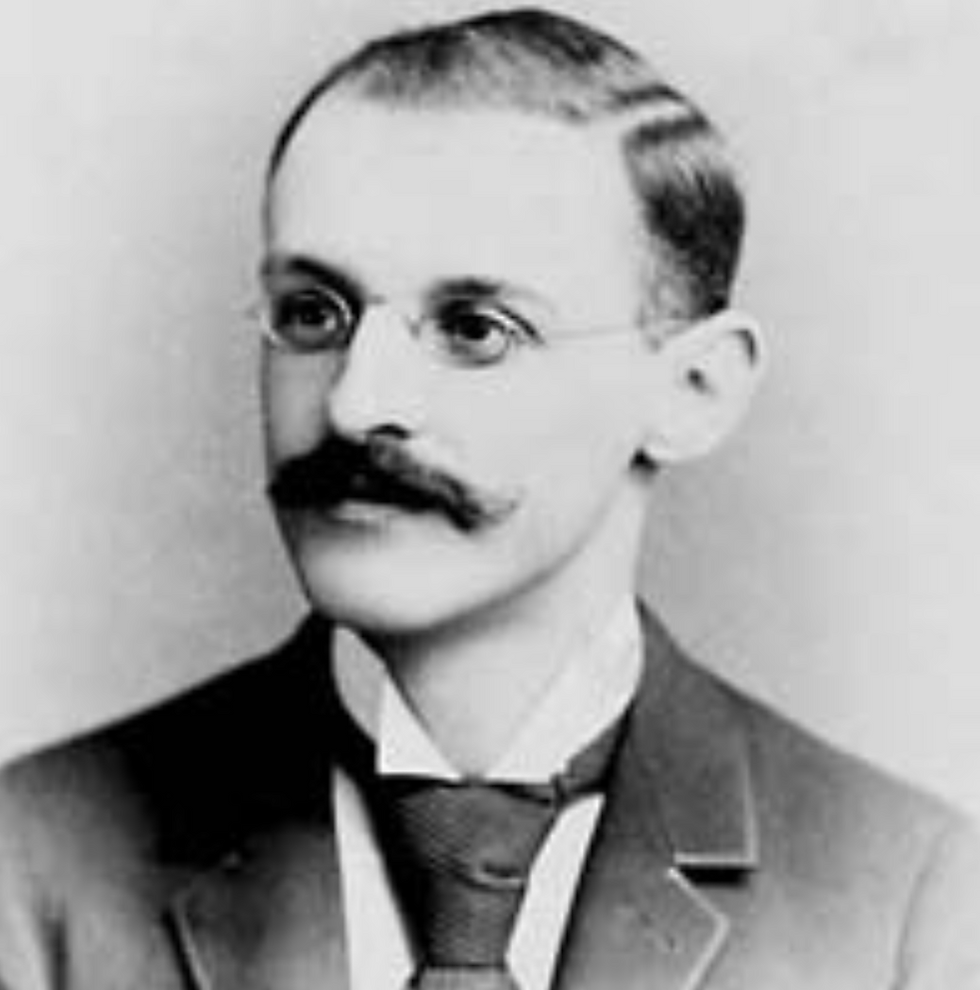
Published in 1910, Flexner’s report reshaped the medical profession in the U.S. Among other criteria, Flexner favored science-based allopathic approaches. Carnegie, along with John D. Rockefeller, poured money into institutions that adopted the recommended guidelines. Medical schools at Harvard, Yale, and Columbia dropped their homeopathic training and received generous grants to expand their laboratories.
State laws and medical board practices also changed. Securing a medical license required graduating from a school that implemented Flexner’s recommendations.
Alternative schools couldn’t compete and closed their doors. By 1925, the number of medical schools in the U.S. dropped from 165 to 81. Interestingly, Rockefeller continued to rely on a homeopath for his personal health care.
The Flexner Fallout
For the past century, medical schools have emphasized an allopathic approach, which elevates pharmaceutical treatments and surgical interventions. The allopathic model excels at treating acute illness and medical emergencies.
Critics argue, however, that it is less suited to addressing the root cause of chronic conditions because it downplays the importance of emotions, relationships, lifestyle factors, and the mind-body connection on physical well-being. They compare the allopathic approach to repeatedly mopping the floor of a flooded bathroom instead of turning off the faucet on an overflowing sink.
Although the Flexner report greatly improved standards for medical education, it also had unintended consequences.
Flexner’s emphasis on lab-based treatments laid the groundwork for the booming pharmaceutical industry we have today. Scientific research is expensive, especially the gold standard--randomized controlled trials. Medicines developed in a lab can be patented. The profits from a weight loss product like Ozempic justify the upfront investment. But who cashes in when a study identifies the health benefits of eating more broccoli?
As a result of the limited interest in lifestyle factors, nutrition was largely eliminated from medical school curriculum. Today, medical students receive an average of 1.2 hours per year in nutrition education although the link between diet and wellness is widely acknowledged. A 2022 survey revealed that over 90% of medical school students believe that nutrition education is vital to their ability to care for patients, yet more than half of graduates rated their nutrition knowledge as “inadequate.”

Where Do We Go From Here?
Healthcare professionals are working to update the allopathic model through organizations like the American College of Lifestyle Medicine (ACLM) and the Physicians Committee for Responsible Medicine.
Through ACLM, physicians can become Board-certified in Lifestyle Medicine. I recently switched to a primary care physician listed in ACLM online directory because I wanted a doctor who appreciates the importance of lifestyle. Her practice even offers free onsite aerobics and yoga classes.
Medical school students are finally getting the nutrition training they have been asking for. In June, the Department of Health and Human Services (HHS) announced that 73 medical schools have voluntarily committed to providing at least 40 hours of nutritional education beginning in the fall of 2026.
Change will take time. For one, the vast majority of doctors still follow the allopathic approach. In addition—as I describe in Healing Beyond the Prescription Pad—some patients feel disappointed if the doctor doesn’t prescribe a drug for what ails them. Drugs often provide immediate symptom relief even if they don’t address the underlying cause.
If you are interested in reducing your dependence on prescription medications, talk with your healthcare provider. Ask your doctor to review the medications you are taking and recommend steps you can take to reduce or eliminate them. Do your own research ahead of time so you can ask informed questions.
If you implement lifestyle changes, your doctor may want to monitor your progress to ensure your dosage is adjusted appropriately as your health improves. Never discontinue prescription medications without consulting your healthcare provider first.
The changes sparked by the Flexner Report didn't simply reshape medical schools—they reshaped the way Americans think about health. Over time, healthcare became increasingly centered on treating disease with pharmaceuticals or surgery. As remarkable as those advances have been, they often left little room for teaching patients how nutrition, physical activity, stress management, sleep, and social connection influence long-term health.
The next time you visit a drug store, take a peek behind the pharmacy counter. How many prescriptions do you count?
In Closing
In every post I do my best to adhere to well-researched facts from reliable sources, while checking my personal opinions at the door. But, this topic strikes close to home because recently some of my friends have received dire health diagnoses. So, I hope you’ll indulge my personal reflections.
I know too many people with noncommunicable chronic diseases (cardiovascular disease and cancer) who not only received zero nutritional guidance from their doctors, they were told that their diet didn’t matter. As a certified Health Coach, I have read numerous studies that say otherwise.
For some, their doctors admit there is a limit to what drugs can do, but they aren’t offering alternatives. “The damage is done. Even with statins, it’s just a matter of time until you have a potentially lethal cardiac event,” one friend was told.
Some of these same friends have told me that they could never eat like I do because they enjoy ice cream, French fries, cheese, or barbecue too much. To them, my diet is one of deprivation. But I don’t see it that way.
Instead of deprivation, my diet brings liberation. Not only do I enjoy what I eat, I enjoy my stamina, strength, and the ease of movement a lean body provides. They value the freedom to eat what they want, while I value the freedom to live as I want.
My morning affirmations include the reminder, “I am the keeper of my body and my mind. I choose what to let in.” Reminding myself that I have choices makes it easy for me to say no to unhealthy foods.
Take a moment, dear reader, to consider for yourself—how many cheeseburgers are worth being told that your heart is a ticking time bomb? I guess it comes down to what type of freedom matters the most to you. Only you can decide.
Our bodies are a miracle of self-healing. All your life, your body has been replacing worn out cells, closing wounds, and defeating viruses. It wants to be healthy. It will maintain its vibrancy as long as you adopt a lifestyle that enables it to do so. Today is a great day to start.
Overnight Oats, fruit, nuts BBQ tofu, slaw, salad Indian-inspired roasted cauliflower
Overnight oats, plant yogurt, fruit, and nuts; BBQ tofu, cabbage and apple slaw, spring mix; Indian-inspired roasted cauliflower, onions, tomatoes, and peas
References
Liester, Mitchell B. The Medical Monopoly on Mental Health and the Flexner Report. Feb 24 2025. https://www.psychologytoday.com/us/blog/the-leading-edge/202502/the-medical-monopoly-on-mental-health-and-the-flexner-report
Lipton, Bruce H. The Biology of Belief: Unleashing the Power of Consciousness, Matter & Miracles. Hay House, 2015.
Mars, Joe. "One Family Killed an Entire Branch of Medicine; They’re Back." July 5 2026. https://substack.com/home/post/p-205108228
Ullman, Dana. "Rockefeller, the Flexner Report, and the American Medical Association: The Contentious Relationship Between Conventional Medicine and Homeopathy in America." Cureus vol. 17,7 e87291. Jul 4 2025, doi:10.7759/cureus.87291
Adams, Kelly M et al. “Nutrition education in U.S. medical schools: latest update of a national survey.” Academic medicine : journal of the Association of American Medical Colleges vol. 85,9 (2010): 1537-42. doi:10.1097/ACM.0b013e3181eab71b
Duggan, Michael P.; Kodali, Anahita T.; Panton, Zach A.; Smith, Shannon M.; Riew, Grant J.; Donaghue, Jack F.; Leya, Gregory A.; and Briggs, Logan G. (2023) "Survey of Nutrition Education Among Medical Students," Journal of Wellness: Vol. 4 : Iss. 2 , Article 11.
U.S. Department of Health and Human Services. “Secretary Kennedy Announces Historic Development in Nutrition Accreditation Standards, New Medical School Pledges.” June 8 2026. https://www.hhs.gov/press-room/secretary-kennedy-announces-historic-development-nutrition-accreditation-standards-new-medical-school-pledges.html
American Society of Health-System Pharmacists. “U.S. Prescription Drug Spending Poised to Cross $1 Trillion, With Weight Loss Drugs Driving Historic Growth in 2025.” Apr 30, 2026. https://news.ashp.org/news/ashp-news/2026/04/30/us-prescription-drug-spending-poised-to-cross-1-trillion-with-weight-loss-drugs

My book, Eight Intentions for Self-Healing, shows you how to use the power of intention to reclaim your personal power to heal. Filled with practical techniques, insightful exercises, and self-assessments, your healing journey starts here.


Comments